
Latest 2026 edition: Psychic vs. Tarot vs. Astrology: Which Type of Reading Should You Choose?
The three most common labels in the psychic industry — psychic, medium, and tarot reader — are treated as interchangeable by most platforms, most marketing, and most clients. They are not. The differences are real, they matter to the outcome of your session, and the single most common source of disappointing readings I have seen is not bad readers; it is the wrong kind of reader for the question.
This guide exists to end that confusion. Here is what each label actually means, what each practitioner can and cannot do, and how to match the practitioner to your situation before you spend a dollar.
The Psychic: Direct Perception of Your Situation
A psychic is the generalist of the intuitive world. The term covers anyone who claims to perceive information about your circumstances, relationships, or likely path through extrasensory perception rather than through the ordinary five senses. The perception arrives in different forms — images (clairvoyance), feelings (clairsentience), inner knowing (claircognizance), or auditory impressions (clairaudience) — and the best psychics work across several channels at once.
What a psychic can do: describe the energy around your situation, identify patterns you have not connected, surface motivations of the people involved, and offer guidance on decisions and timing. That breadth makes psychics the right choice for most general questions — relationships, career crossroads, “what am I missing here” questions.
What a psychic cannot do: talk to the dead. Some psychics are also mediums, but the categories are distinct, and a psychic who is not a medium should never claim contact with a deceased person. If that distinction blurs during a session, you are dealing with either a hybrid (fine) or an overclaim (a problem).
The Medium: Communication With the Deceased
A medium does one specific thing that no other practitioner claims: communicates with people who have died. That is the entire discipline, and it is the hardest category in the industry because it has the strictest standard of evidence — a mediumship session either produces information that feels unmistakably like the person who passed, or it does not, and there is no consolation prize of general insight.
Because of that standard, mediumship deserves its own evaluation framework. The success condition is not warmth or insight; it is specificity that could not have been constructed generically. A good mediumship reading delivers details — names, mannerisms, shared memories, sensory specifics — that the sitter recognizes as private. I have a full guide on evaluating mediums that covers what to expect and how to judge the experience.
Every medium is a psychic; not every psychic is a medium. When you need to connect with someone who has passed — a parent, a partner, a friend — a medium is the only practitioner who can attempt it, and my review of Eye of Pheobe, the dedicated medium in my Keen reader series, shows what the real thing looks like.
The Tarot Reader: Structure Through the Cards
The tarot reader occupies a different axis entirely. Where psychics work from direct perception and mediums work from spirit contact, tarot readers work through a structured symbolic system: the 78 cards of the deck, drawn in patterns called spreads, each card carrying layered meanings that shift with position and context.
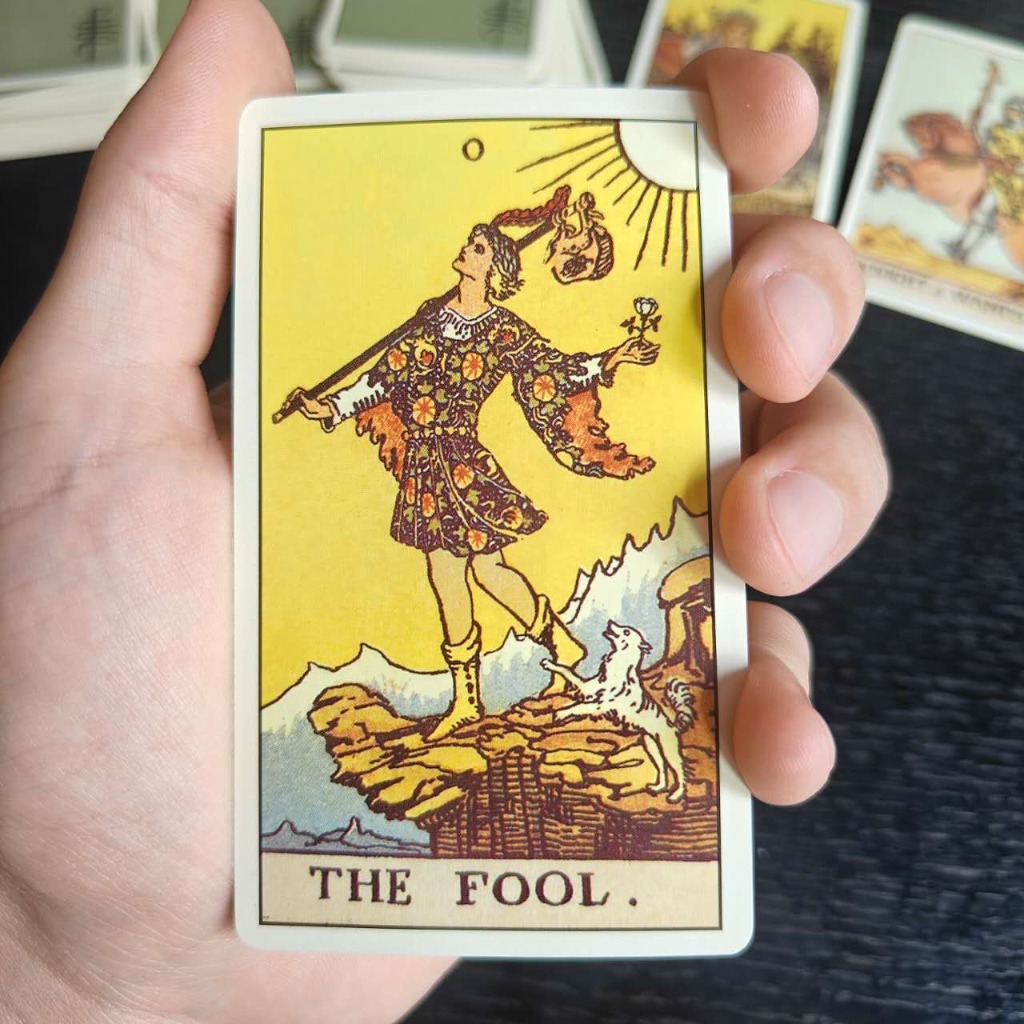
The key insight about tarot is that it does not require psychic ability. A reader can interpret the cards purely as a language — the Fool, the Lovers, Death-as-transformation — and deliver a structured reading with zero extrasensory claims. Many tarot readers do exactly that, and it is a legitimate craft. The best tarot readers, though, combine the system with intuition: the cards give them the structure, and their perception gives them the specifics. That combination — Tarot by Elena, in my Purple Garden reviews, is a clean example — is why tarot is the most popular entry point in the industry. The cards make the reading comprehensible; the intuition makes it specific.
The practical advantage of tarot: structure. A good tarot reader is the best choice when you have a specific question that needs to be examined from several angles, because the spread forces a systematic treatment. The practical limitation: tarot is only as good as the interpreter, and a reader who parrots card meanings without adding anything personal is delivering a fortune-cookie reading in 78-card form.
The Hybrid: Why Most Practitioners Defy the Labels
The clean categories above are ideal types. In the real market, most practitioners are hybrids, and the labels on their profiles are marketing, not precise descriptions. You will regularly find a “psychic medium” who works with tarot, an “intuitive” who channels mediumship on request, and a “tarot advisor” who clearly adds psychic perception to every spread.
None of this is dishonest by itself; it is the natural shape of a skill-based market. What matters is not the label but the match between the practitioner’s actual strengths and your question. That is why reading profiles carefully matters more than any terminology, and why my guide on choosing a psychic emphasizes reading the description, the reviews, and the specific claims over the title.
How to Choose: Match the Practitioner to the Question
Use this decision framework before you book.
For guidance on relationships, career, or a decision — “what am I missing,” “what is the timing,” “which path fits me” — book a psychic or a tarot reader. Both handle this territory well; choose tarot for a structured multi-angle treatment and a psychic for direct perception.
To connect with someone who has died — grief work, closure, a message you never got to deliver — book a medium, specifically, and use the evaluation criteria in my mediumship guide. Do not settle for a psychic who merely claims mediumship as an add-on; for this question, the specialization is the point.
For a specific, testable question — a timeline, an outcome, a person’s motivation — book a reader whose profile shows structured methods and whose reviews show specific claims. The question type that matters here is not psychic-vs-medium; it is structured-vs-vague.
The Bottom Line
Psychic, medium, and tarot reader are three distinct disciplines that the industry collapses into one confusing vocabulary. The psychic perceives your situation, the medium connects with the deceased, and the tarot reader interprets a structured system — and most practitioners are hybrids of two or more. The label on the profile matters less than the match between the practitioner’s real strengths and your question.
Start with what a psychic reading is if you are brand new, then use my platform reviews to find vetted practitioners in each category. The right reader for your question exists on every major platform — the work is in the choosing, not the finding.
An evidence-first ranking of the seven best mediums on Purple Garden in 2026. The platform's combination — public Journeys verification plus live video — creates the strongest anti-fraud structure in online mediumship. These seven readers clear the bar: blind-test protocols, generational lineages, and records clients verify publicly.
Read the guide →Ready to Try a Reading?
I've personally tested every major platform. Here are my top picks for 2026 — with free introductory minutes so you can try risk-free.
Still weighing it up? The fastest way to know if a reading clicks is to try one — 3 free minutes + 50% off for new clients.
Free to join · 3 free minutes with each new advisor · No subscription
Ready to get your reading?
I’ve personally tested each platform with my own money. Pick the one that fits your question — every link is an independent recommendation.
3 free minutes + 50% off
Permanent chat transcripts & 3 free minutes with every new advisor — safest for testing relationship specialists.
Claim 3 Free Min + 50% Off →
$30 credit on first purchase
Mandatory video intros & a public outcomes ledger. The most accessible entry price.
Claim $30 Credit →
5 minutes for $1
Deepest roster & finest phone infrastructure. The safest place to test a top reader for pocket change.
Get 5 Min for $1 →Eastern Alignment is reader-supported. If you sign up through a link, we may earn a commission — at no extra cost to you. This never influences my ratings.